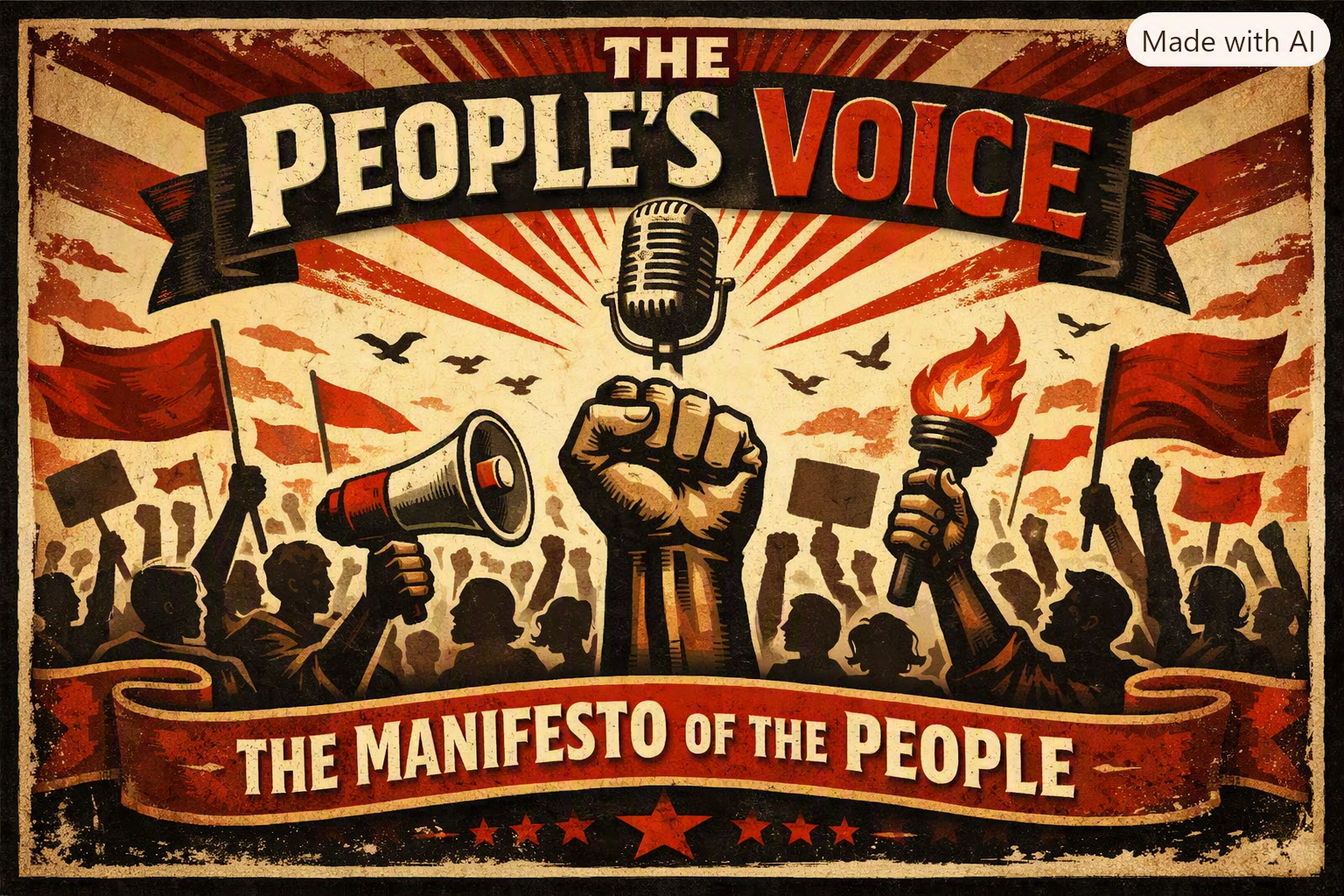
The intricate and often tumultuous relationship between the general populace, the essence of patriotism, and the pervasive nature of political power forms a central theme that captivates the realms of political philosophy, sociology, and history alike. This multifaceted interaction is meticulously examined through various competing perspectives, each revealing the profound and complex dynamics that exist between individual identity and collective national sentiment. These intricate relationships shape our understanding of community, belonging, and ultimately, what it means to be a patriot in today’s world.
In this vivid landscape of political thought, populist movements, along with critical theories, offer a compelling and incisive framework. They ardently advocate for the crucial role of the general populace, particularly highlighting the voices and concerns of those who feel disenfranchised and marginalized by the prevailing power structures. These frameworks challenge the traditional narratives that tend to idolize the ruling elite, positioning them as the custodians of patriotism. Instead, they assert that true patriotism emanates from the everyday citizens—the people who form the backbone of society—who actively engage in the pursuit of justice, equality, and freedom for all.
History teaches us that nations are not built in the marble halls of power, nor are they sustained by the rhetoric of career politicians who view governance as a game of chess played with human lives. No, the true architecture of a nation rests upon the calloused hands of the farmer at dawn, the steady pulse of the nurse working a double shift, the teacher inspiring a classroom of skeptics, and the factory worker keeping the lights on. These are the individuals who embody the spirit of the republic—not out of a desire for applause or political advancement, but out of an abiding, quiet devotion to their neighbors and the ideals inscribed in their country’s foundational creeds.
When the ruling class supporters wrap themselves in the flag exclusively during election cycles, using symbols of unity as cudgels for division, the everyday citizen often bears the burden of bridging the gaps. True patriotism, therefore, is not an uncritical obedience to authority or a blind defense of institutional decay. Rather, it is a profound and active responsibility. It is the courage to speak truth to power, to demand accountability when the system falters, and to insist that the promise of liberty and justice is extended to the margins, not just reserved for the center.
As the noise of modern political theater fades into the background, a new awakening takes root. People from all walks of life are beginning to realize that their shared humanity far outweighs the manufactured partisan divides designed to keep them conquered. In this grassroots awakening lies the true heartbeat of democracy—a reminder that a government of the people, by the people, and for the people can only survive when the people themselves refuse to surrender their ownship birthright and voice to the elite.
 The People's Voice